Affordable Dental Crowns Oxnard CA: Your Complete Guide
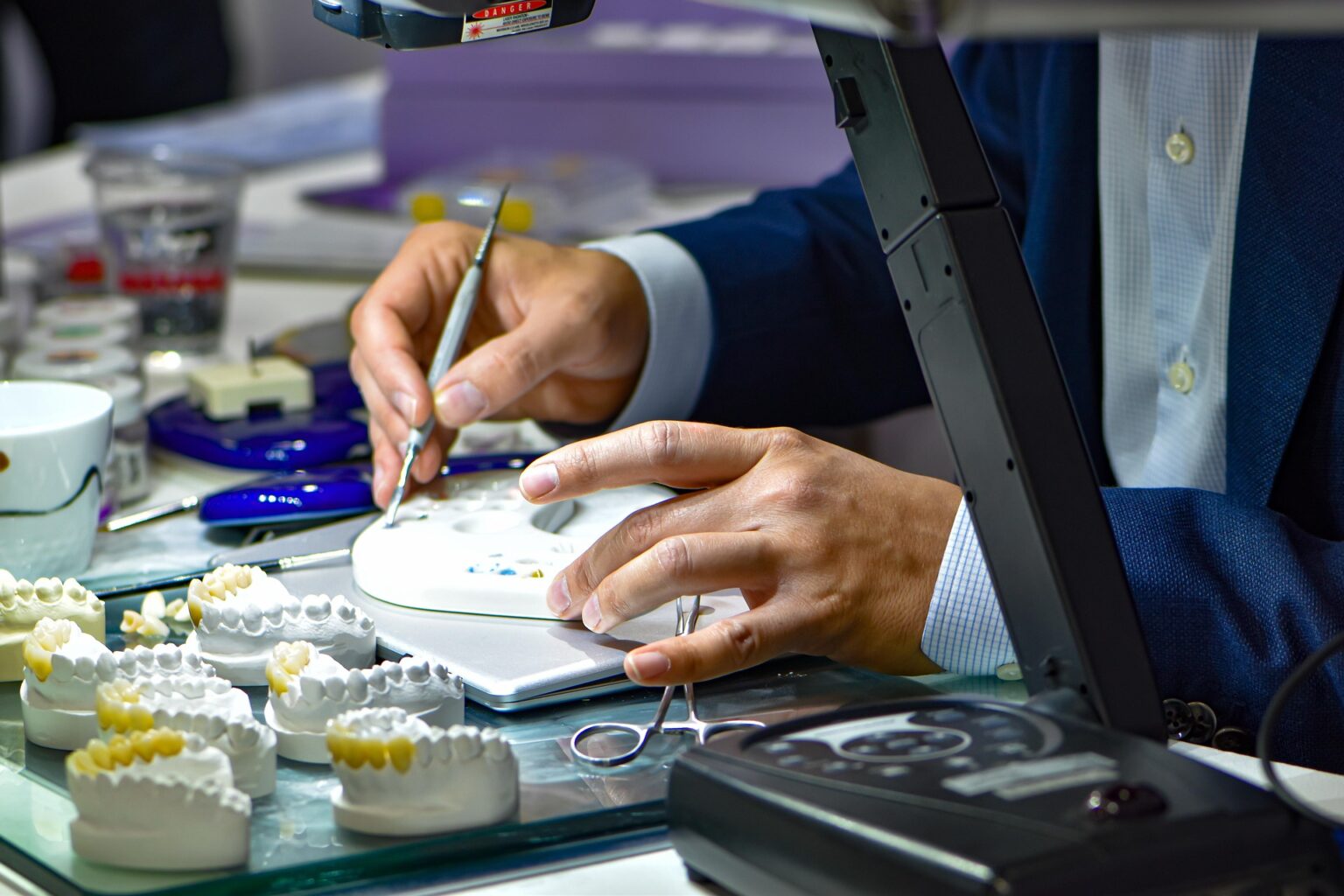
If you have ever cracked a tooth on a popcorn kernel, lost a large filling, or looked in the mirror and noticed a back tooth slowly breaking down, you already know how fast a small dental problem can turn into an expensive one. Crowns sit right in the middle of that reality. They are often the most practical way to save a damaged tooth, restore chewing strength, and avoid the far higher cost of extraction and replacement later.
For many patients searching for Dental Crowns Oxnard CA, the first concern is simple: how much is this going to cost me? The second concern follows right behind it: if I try to save money, am I sacrificing quality?
Those are fair questions. Crowns are not a cosmetic impulse buy. They are a functional dental treatment, and the details matter. The material matters. The skill of the dentist matters. The condition of the tooth underneath matters. Even the way your bite comes together when you chew matters. A crown that looks affordable at first can become very expensive if it fails early, feels high when you bite, or traps food because the margins were poorly fitted.
The good news is that affordable and well-made are not opposites. In many cases, patients can find a crown option that fits their budget without compromising the essentials that protect the tooth for years.
What a dental crown actually does
A crown is a custom-made cap that covers a damaged or weakened tooth. It restores the tooth’s shape, reinforces its structure, and lets you chew comfortably again. Dentists recommend crowns for several common reasons. A tooth may be badly broken, heavily filled, worn down, root canal treated, or weakened by decay. Crowns are also used to complete dental implants and to anchor certain bridges.
Patients sometimes assume a crown is just a bigger filling. It is not. A filling repairs part of a tooth. A crown rebuilds and protects the entire visible portion above the gumline. That difference matters when a tooth no longer has enough sound structure left to safely hold a filling.
A practical example helps here. Imagine a molar with an old silver filling that has been in place for twenty years. Over time, the tooth develops a crack and a chunk breaks off while chewing. At that point, patching the missing corner with more filling material may not solve the deeper problem. The remaining walls of the tooth may be too thin. A crown can bind the tooth together and reduce the chance of a more catastrophic fracture.
That is why dentists often describe crowns as protective restorations. They do not just fix what is missing. They help preserve what remains.
Why crown costs vary so much
Patients are often surprised by the range in pricing, especially when calling around different offices in Ventura County. One office may quote a noticeably lower fee than another, even for what sounds like the same treatment. Usually, that difference comes from a mix of factors rather than a single reason.
The first variable is the material. Crowns can be made from porcelain, zirconia, porcelain fused to metal, gold alloy, or other ceramic systems. Some materials cost more for the lab to produce. Some are stronger. Some look more natural in the front omnidentalspecialty.com Dental Crowns Oxnard CA of the mouth. Some require more extensive shaping of the tooth. A front tooth and a back molar often do not call for the same material choice.
The second variable is how the crown is fabricated. Some practices use in-office digital scanners and same-day milling systems. Others send impressions or scans to an outside dental lab. Neither path is automatically better. What matters is the accuracy of the fit, the material selected, and the dentist’s judgment. Still, those workflows can affect overhead and final fees.
The third variable is the condition of the tooth before the crown even begins. A straightforward crown on a stable tooth is one thing. A tooth that needs build-up material, decay removal, gum recontouring, or root canal treatment first is another. Patients sometimes hear “the crown costs this much,” then feel blindsided when the total treatment cost is higher. In reality, the crown may be only one part of saving the tooth.
Location and operating costs matter too. Rent, staffing, lab relationships, technology, and insurance participation all influence fees. Oxnard is not immune to those market realities. Practices that accept a broad range of insurance plans may have different pricing structures than fee-for-service boutique offices.
What “affordable” should mean
Affordable should not mean rushed, sloppy, or made from the cheapest available material. In dentistry, true affordability means value over time. A crown that functions well for many years, protects the tooth, and does not lead to repeat visits for avoidable problems is usually the better investment.
Patients sometimes focus on the lowest sticker price and miss the more important questions. Was the bite carefully adjusted? Were the margins smooth and well sealed? Was the tooth properly evaluated for cracks or deep decay before treatment began? Was the crown chosen for that specific area of the mouth, or was a one-size-fits-all option pushed because it was easy?
A well-made crown should let you bite naturally, floss without shredding, and clean around the tooth without difficulty. It should blend with the surrounding teeth if esthetics matter in that area. It should not feel bulky, loose, or constantly sensitive once the normal adjustment period passes.
When someone searches for Dental Crowns Oxnard CA, affordability is a sensible starting point. It just should not be the only filter.
Common crown materials and how they compare in real life
Material choices can sound abstract until you tie them to real use. Most patients are not deciding between categories in a textbook. They are deciding what makes sense for their own mouth, habits, and budget.
Porcelain or ceramic crowns are popular because they can look very natural, especially on front teeth. They are a common choice when appearance matters and heavy grinding is not a major issue. Some ceramic systems are also used on back teeth, depending on the case.
Zirconia crowns have become increasingly common because they are strong and versatile. They can be a very practical option for molars where chewing forces are significant. In many everyday cases, zirconia offers a useful balance of durability and esthetics.
Porcelain fused to metal crowns have been around for decades. They can still work well, though they may show a dark line near the gums over time in some cases, especially if the gums recede. For some patients, that trade-off is acceptable. For others, especially in visible areas, it is not ideal.
Gold and other metal alloy crowns remain excellent from a functional standpoint. Dentists who have practiced long enough will tell you that a properly made gold crown can be one of the kindest restorations to the opposing tooth and one of the longest-lasting. The main reason patients decline them is appearance, not performance.
No material is best for everyone. A front tooth with thin translucent enamel raises different concerns than a heavily loaded lower molar in a patient who clenches at night.
The crown process, start to finish
Most crowns are completed in two visits, though some offices offer same-day crowns for selected cases. The first visit usually involves examination, imaging if needed, numbing, shaping the tooth, and taking an impression or digital scan. If the tooth has a large missing area, the dentist may place a core build-up first to create a stable foundation. A temporary crown is then placed while the final one is fabricated.
The second visit is where the details show. The temporary comes off, the tooth is cleaned, and the final crown is checked for fit, contact with neighboring teeth, and bite alignment. A careful dentist will spend time making sure the crown seats fully and that your bite feels balanced both when you close and when you move side to side. Once everything checks out, the crown is cemented or bonded depending on the material and situation.
Same-day crowns can shorten the process, which many patients appreciate. They may be a good fit if the tooth is straightforward and the office has a refined digital workflow. Still, speed should not be mistaken for superiority. Some complex cases benefit from a skilled dental lab technician who layers character, shape, and anatomy in a way that chairside milling may not replicate as well.
Hidden costs patients should ask about
The crown fee is not always the whole fee. A tooth that needs a crown may also need preliminary treatment, and this is where misunderstandings happen. If you have ever been told a filling turned into “more work than expected,” you already know the feeling.
Ask whether the estimate includes the exam, X-rays, temporary crown, core build-up, and final cementation. If the tooth has symptoms such as lingering sensitivity to hot, pain on biting, or spontaneous aching, ask whether root canal treatment may become necessary either before or after the crown. No ethical dentist can guarantee in every case that a compromised tooth will never need further treatment, but they should be candid about the possibility.
Insurance can also complicate the picture. Some plans cover a percentage of crowns, but only under specific conditions. Others have waiting periods, annual maximums, frequency limitations, or downgraded reimbursements based on metal rather than ceramic pricing. It is worth getting clarity before the tooth is prepared.
When a cheap crown becomes expensive
Most people can recall a bargain that stopped feeling like one a few months later. Crowns are no different. A poorly fitting crown can lead to sore gums, trapped food, bite pain, recurrent decay, or fracture of the remaining tooth structure.
One common problem is an open or weak contact with the neighboring tooth. Patients describe food packing every time they eat meat, salad, or rice. At first it sounds minor. Over time, that constant trapping irritates the gum tissue and can make the area difficult to clean. Another issue is high occlusion, meaning the crown hits first when you bite. That can create tenderness, jaw tension, and in some cases contribute to cracking.
Then there is the margin, the line where the crown meets the tooth. If that fit is poor, bacteria and decay can gain an easier foothold at the edge. Patients usually do not notice this early. By the time symptoms appear, the tooth may need replacement of the crown, additional buildup, root canal treatment, or extraction.
This is why experienced dentists tend to be cautious when patients shop solely by phone quote. Fees matter, absolutely. But the long-term value of a crown depends on clinical execution.
How to find affordable Dental Crowns Oxnard CA without cutting corners
Looking for value does not mean you need to become a dental materials expert overnight. It does mean asking useful questions and paying attention to how the office communicates. A practice that respects your budget should also respect your need for plain language.
Here are a few smart questions to ask before scheduling treatment:
- What type of crown do you recommend for my tooth, and why?
- Does the estimate include the temporary crown, build-up, and follow-up adjustments?
- Will my insurance help cover part of the treatment, and can you verify benefits?
- Do you offer payment plans or third-party financing for larger cases?
- If the tooth shows deeper problems during treatment, how will extra costs be discussed?
Those five questions can reveal a lot. A solid office will answer them clearly, not defensively. They should be able to explain why a certain material is better for your molar than your front tooth, and they should not brush off concerns about budget.
Situations where a crown may not be the best next step
Not every damaged tooth should be crowned. Sometimes a filling or onlay is enough. Sometimes the tooth is too far gone for a predictable crown result. Good dentistry is not just about doing treatment well. It is also about knowing when not to do a procedure.
If decay extends too far below the gumline or the tooth has a vertical root fracture, a crown may not offer a dependable long-term solution. Likewise, if the tooth has minimal remaining structure and poor retention, the prognosis may be limited even with a crown. In some cases, crown lengthening, orthodontic movement, or extraction and replacement may need to be part of the discussion.
This is where judgment matters more than salesmanship. An honest dentist will not promise a heroic save just to place a crown if the foundation is questionable. Patients usually appreciate candor, especially when they are trying to spend money wisely.
The role of financing and phased treatment
For many families, the issue is not whether they want the crown. It is whether they can manage the timing. Dental offices in Oxnard commonly offer several paths that make treatment more manageable, including phased care, in-house membership plans, or outside financing.
Phased treatment can be especially helpful when more than one tooth needs work. If one molar is cracked and urgent while another has an older failing restoration but no symptoms yet, the most pressing tooth may be treated first. That approach lets patients address risk without committing to everything at once.
Membership plans can also help uninsured patients. These plans vary, but many offer reduced fees on common procedures, preventive care benefits, and discounts on restorative work. They are not insurance, but they can meaningfully lower out-of-pocket costs for patients who need crowns and routine maintenance.
Third-party financing is another common option. It can be useful, though patients should always review interest terms carefully. A no-interest promotional period may be reasonable if the balance can be paid on time. Long-term financing at high rates can make a crown much more expensive than it first appears.
What recovery feels like
Most crown appointments are easier than patients expect. You may have numbness for a few hours, mild gum soreness, or temporary temperature sensitivity, especially if the tooth had a deep old filling. The temporary crown period is often the awkward part. Temporaries can feel less smooth than the final restoration, and they are more likely to pick up stains or feel slightly different when chewing.
Once the permanent crown is seated, the bite may need a brief adaptation period, but it should not feel wrong for long. Persistent pain when biting, floss that shreds, or a sensation that the crown is “too tall” deserves a follow-up visit. Small adjustments can make a major difference.
A few practical habits help protect your new crown:
- Avoid chewing ice, hard candy, and unpopped kernels on the crowned tooth.
- Wear a night guard if you clench or grind while sleeping.
- Brush along the gumline carefully and floss daily to protect the margin.
- Do not ignore bite discomfort that lasts more than a few days.
- Keep recall visits so small issues are caught early.
Crowns fail less often from the crown material itself than from what happens around them, recurrent decay, untreated grinding, or delayed maintenance.
How long a crown should last
There is no ethical way to promise a crown will last a specific number of years in every mouth. Too many variables shape the outcome, including oral hygiene, bite forces, material choice, smoking, diet, and how much healthy tooth was left to begin with.
That said, many crowns last well beyond a decade when they are properly made and maintained. Some last much longer. Others fail earlier because the tooth underneath cracks, decay develops at the edge, or the patient has heavy grinding forces. Dentists who have followed crowns over many years will tell you that longevity is rarely about one dramatic event. More often it is a series of small factors, night grinding, infrequent cleanings, sticky plaque around the margin, delayed adjustments, that gradually shorten the life of the restoration.
Red flags when choosing a provider
When patients compare offices for Dental Crowns Oxnard CA, they often focus on online reviews and advertised pricing. Those are reasonable places to start, but they should not be the only data points.
A rushed consultation is a warning sign. So is an office that cannot explain what is included in the fee. Be cautious if no one discusses the condition of the tooth, possible alternatives, or what could affect long-term success. Another red flag is pressure to commit immediately without a clear diagnosis.
On the other hand, a good crown consultation often feels unhurried and specific. The dentist points out where the tooth is compromised, explains why a crown is or is not the right choice, and talks through material options in plain English. They acknowledge budget concerns without making you feel embarrassed for asking.
That combination, technical clarity and practical empathy, usually signals a well-run practice.
Why local follow-up matters
A crown is not a one-day purchase. It is part of an ongoing relationship with your dental care. Choosing a nearby Oxnard office can make follow-up much easier if the temporary loosens, the bite needs a minor adjustment, or insurance paperwork needs correction.
That matters more than patients think at first. Even beautifully done dentistry sometimes needs a quick post-op adjustment. When the office is local and responsive, those small issues stay small. When it is far away or hard to reach, patients tend to delay, and discomfort drags on longer than it should.
Local care also helps with continuity. Your dentist can compare current X-rays to older ones, track changes in bite wear, monitor gum health around the crown, and catch trouble early. That is part of what makes a restoration truly cost-effective over time.
Making the decision with confidence
If you need a crown, delaying too long can narrow your options. A tooth that might be saved with a crown today can become a root canal case, a fractured extraction, or an implant discussion months later. That is often the most expensive path of all.
The better move is to get a clear diagnosis, understand what is driving the cost, and compare value rather than just the lowest fee. Ask what material is being used. Ask whether the estimate includes everything necessary to complete the case. Ask what the dentist sees as the risks if you wait. Ask what support exists if the expense needs to be spread out.
For patients looking into Dental Crowns Oxnard CA, the goal is not merely to find the cheapest crown. It is to find treatment that is durable, fairly priced, and appropriate for the tooth you are trying to save. When those pieces line up, a crown can be one of the most worthwhile investments you make in your health, comfort, and daily quality of life.
Omni Dental Specialty
1690 E Gonzales Rd
Oxnard, CA 93036, United States
Phone: +1 805-410-9603
FAQ About Dental Crowns Oxnard CA
What is the average cost of a crown in California?
The fee depends on the crown material, tooth condition and any additional treatment. Request an itemized estimate from Omni Dental Specialty after an examination, and confirm insurance benefits before scheduling.
How long do dental crowns last?
Longevity varies with the material, fit, oral hygiene and biting habits. Regular dental reviews help identify wear, damage or decay. A crown does not need replacement solely because it reaches a particular age.
Do teeth go bad under crowns?
Decay can develop in the remaining natural tooth, particularly near the crown margin. Brush with fluoride toothpaste, clean between teeth daily and keep dental appointments. Report new pain or looseness promptly.
Which crown is best for bruxism?
No material suits everyone. Your dentist assesses grinding, tooth position, bite forces and appearance before recommending a crown. A protective appliance may also be recommended to manage stress on the restoration.